
What Is a Stage? And What It Means in Singapore’s Culinary Scene

In professional kitchens around the world, the word “stage” (pronounced stahj, from the French word stagiaire) refers to an unpaid internship where a cook or chef works temporarily in another restaurant to learn, observe, and train. It’s a tradition rooted in Europe but now practiced globally from Michelin-starred fine dining restaurants to rising culinary hotspots.
A stage is not just free labor. It’s a rite of passage. Aspiring chefs work long hours for no pay to soak up knowledge, refine skills, and earn credibility.
But what does this mean in the context of Singapore and more specifically, at a place like Old Airport Road Food Centre, where food isn’t just cooked it’s crafted?
The Stage: A Culinary Apprenticeship
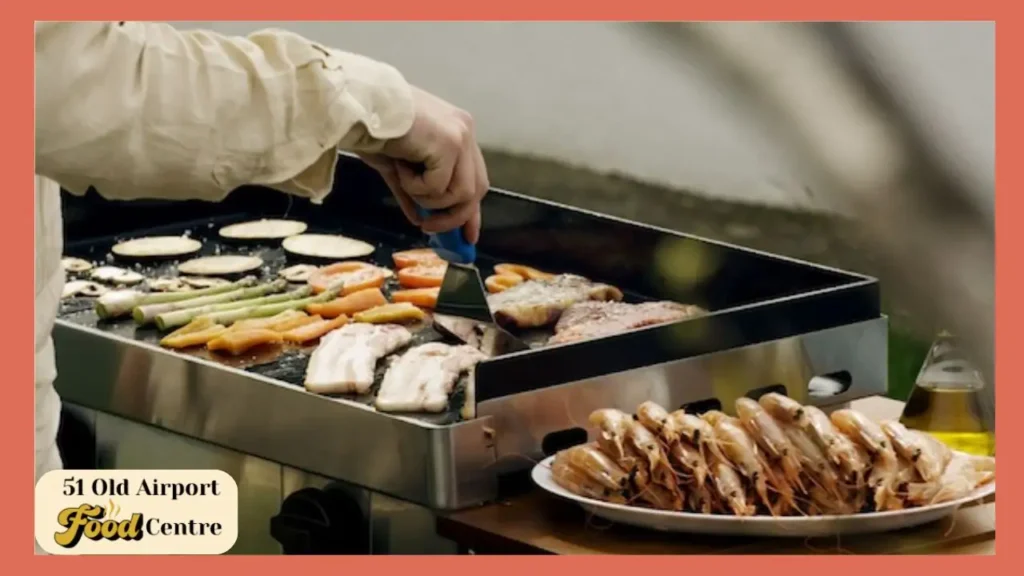
Staging is different from formal culinary school. It’s about real-world immersion hands-on experience under pressure, working shoulder to shoulder with seasoned chefs. Tasks can range from peeling potatoes to plating signature dishes, and everything in between.
In the world’s top restaurants, a stage is how chefs prove themselves, gain mentorship, and open doors to future jobs. The value lies in the connections made and techniques learned.
Is Staging Only for Fine Dining?
Not at all.
In places like Singapore, where hawker culture is a national treasure, the idea of staging takes a different — but equally meaningful — form. Many of the legendary hawker chefs at Old Airport Road Food Centre were once apprentices under masters, learning recipes and secrets not from cookbooks but from daily repetition, discipline, and taste memory.
The Hawker Equivalent of a Stage
At Old Airport Road Food Centre, you won’t hear chefs call it “staging” — but the spirit of mentorship is alive and thriving. Many of the beloved stalls here are second-generation or legacy-run, with younger cooks working under their parents, uncles, or mentors.
Real Examples:
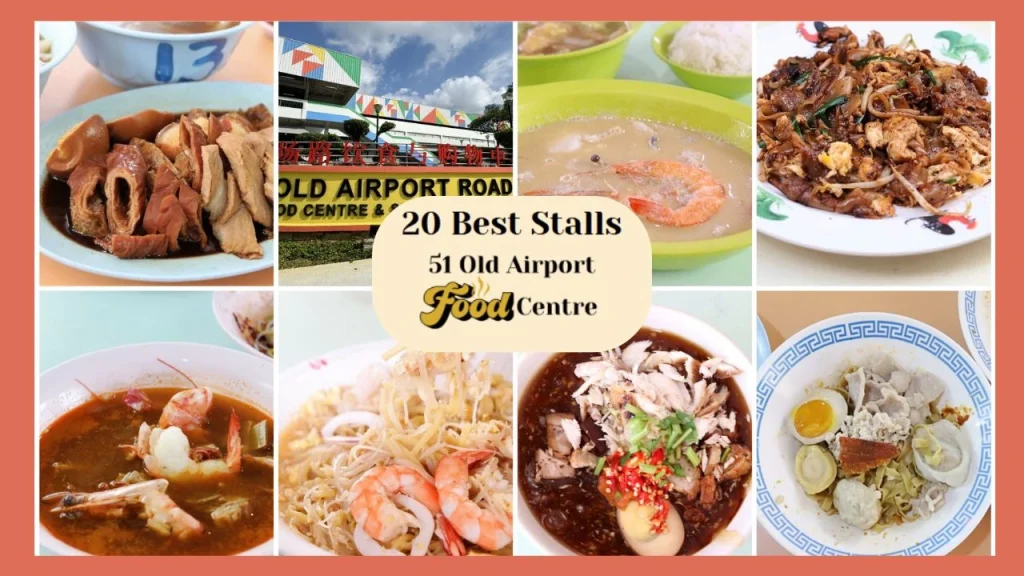
- At Nam Sing Hokkien Fried Mee, the founder famously passed down his exacting wok techniques and ratios to his successors, who stood beside him for years.
- Lao Fu Zi Fried Kway Teow features cooks who spent countless hours watching, assisting, and eventually replicating the master’s signature wok hei and sauce blend.
This is staging — just in local terms.
Why Staging Matters (Even in a Hawker Centre)
Staging, or shadowing a master, serves the same purpose whether it’s in a Parisian kitchen or a Singaporean hawker stall:
- Preservation of tradition
- Hands-on training
- Passing down secret techniques
- Quality control through legacy
In many ways, staging in hawker stalls is more intimate and personal — it’s not a résumé booster, but a lifelong skill transfer.
Want to Be a Hawker? Start with a Stage
The future of hawker culture depends on new cooks learning from the old guard — and staging is the bridge. Some food centres even now offer structured mentorship programs to encourage young Singaporeans to learn traditional hawker trades.
So, if you’ve ever wanted to master the art of frying carrot cake or making silky smooth soy beancurd, consider spending time staging under a hawker hero.
Fun Fact: Some aspiring chefs have travelled from France and Australia just to stage at famous Singapore hawker stalls — a sign of the deep respect our local food culture commands globally.

The Modern Stage: Social Media & Self-Taught Apprenticeships
Today, staging has evolved. You’ll find:
- Mini-stages via TikTok or YouTube tutorials
- Instagram chefs recreating local hawker dishes after observing from afar
- Home cooks reaching out to hawkers to learn in person
At Old Airport Road Food Centre, this cultural exchange is becoming more common — as curious foodies seek to learn directly from the source.
Final Words
Whether you’re plating caviar in Paris or stir-frying Hokkien mee in Singapore, staging is how culinary knowledge gets passed on. At Old Airport Road Food Centre, the tradition lives through father-to-son teaching, late-night practice, and a fierce love for good food.
In the end, a stage isn’t just a role it’s a respectful entry into a culinary legacy. And few places protect and celebrate that legacy better than Singapore’s hawker centres.